



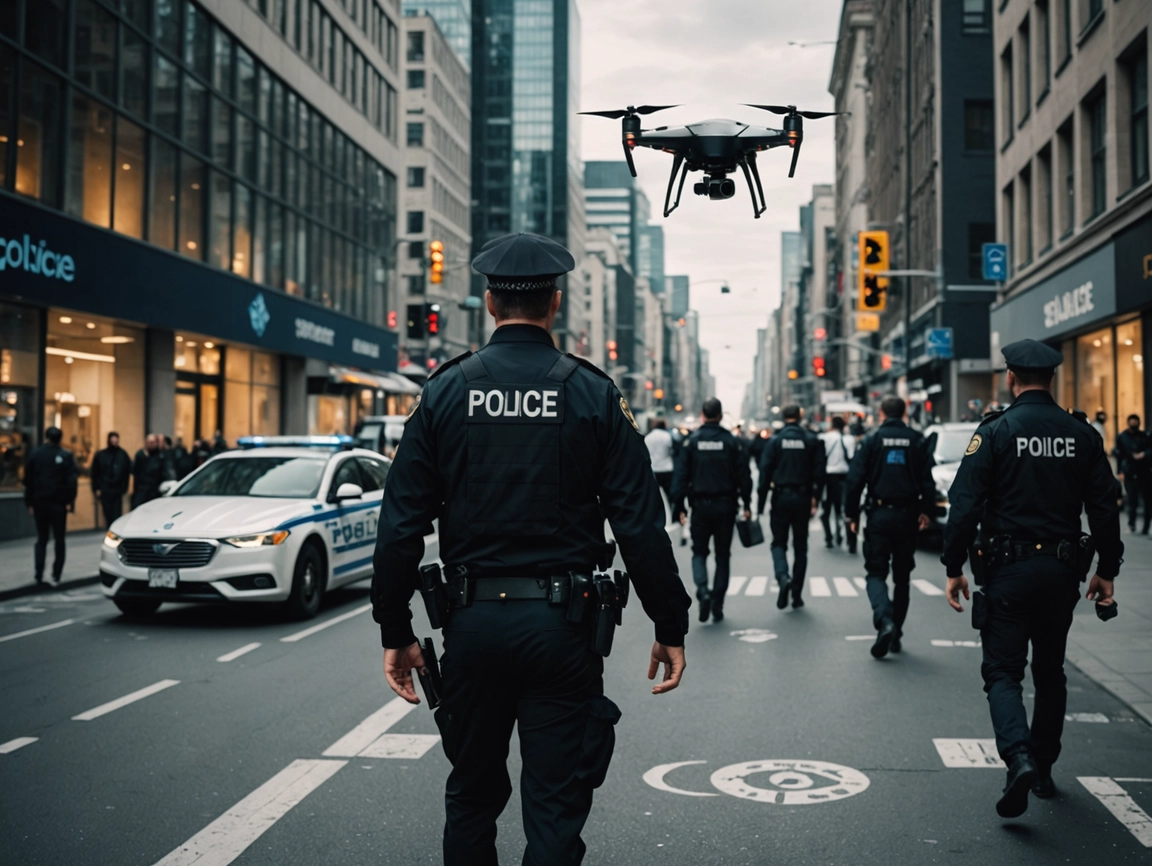
Police forces around the world are increasingly using advanced surveillance technologies such as drones, body‑worn cameras, facial‑recognition systems, automated licence‑plate readers (ALPRs), and commercial spyware. While these tools can enhance public safety and help prevent crime, they also raise serious concerns about privacy, civil liberties, and oversight.
Data Collection and Security
One of the major concerns is how the data collected by these technologies is handled:
- Who manages the data, how securely it’s stored, who can access it, and how it is audited are often unclear.
- In some cases, ALPR systems have leaked live video and vehicle-tracking data online due to weak security measures.
- There have been incidents where police shared licence-plate information with other jurisdictions, and the data was later used in sensitive contexts such as immigration or reproductive rights enforcement.
- In the UK, thousands of data breaches involving law-enforcement data have been recorded, including mis-sent emails, stolen devices, and mishandled internal documents.
Facial Recognition and AI Surveillance
The use of facial recognition is increasing:
- London’s Metropolitan Police plans to expand live facial-recognition operations from a few times per week to potentially ten times per week.
- In the U.S., Customs and Border Protection has introduced “Mobile Identify,” a mobile app allowing officers to scan faces and match them against federal databases without transparent public oversight.
- Experts warn these systems can misidentify individuals, particularly older people, women, and people of color, as deployment often outpaces regulation.
Spyware and Data Extraction Tools
Law enforcement agencies are also using commercial spyware and data-extraction technologies:
- In Serbia, spyware has reportedly been used to monitor journalists and activists.
- In Ontario (Canada) and Georgia (U.S.), contracts for data-extraction tools were approved during protests, sometimes without proper oversight.
- A German court ruled that police use of spyware is a serious invasion of privacy and should only be allowed in investigations of very serious crimes.
Balancing Safety and Rights
- While these tools are justified as measures to enhance public safety, they can also undermine civil liberties if used without proper oversight.
- Transparency, accountability, clear rules, and strong data governance are essential to prevent surveillance technologies from becoming pervasive and unchecked.
- Without proper limits, well-intentioned policing could evolve into constant monitoring of everyday life




Related Articles

Tampered Ledger Signers Expose Hardware Wallet Supply-Chain Risks in $86 Million Crypto Heist
Hardware Implant in Ledger Devices Linked to Cryptocurrency Theft Exceeding $86 Million...

French Supermarkets Face Major Food Losses After Hackers Hijack Refrigeration Controllers
Cyberattack Forces French Supermarket Refrigerators to Heat Up to 50°C A cyberattack...

YMCO Network Leader Admits Role in Laundering Millions Through 15,000 Money Mules
Leader of International Money Mule Network Pleads Guilty in Major Cybercrime Laundering...
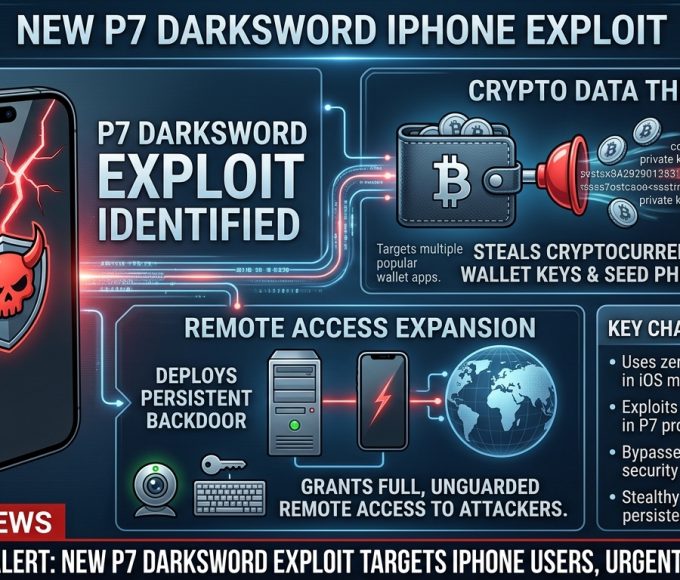


New P7 DarkSword iPhone Exploit Steals Crypto Data and Expands Remote Access
P7 DarkSword Exploit Kit Targets iPhones With Cryptocurrency Theft and Remote-Control Features...

Leave a comment