



Inside the Dark Web: How Intelligence Platforms Help Detect Hidden Threats
 scsecDecember 4, 20251 Mins read226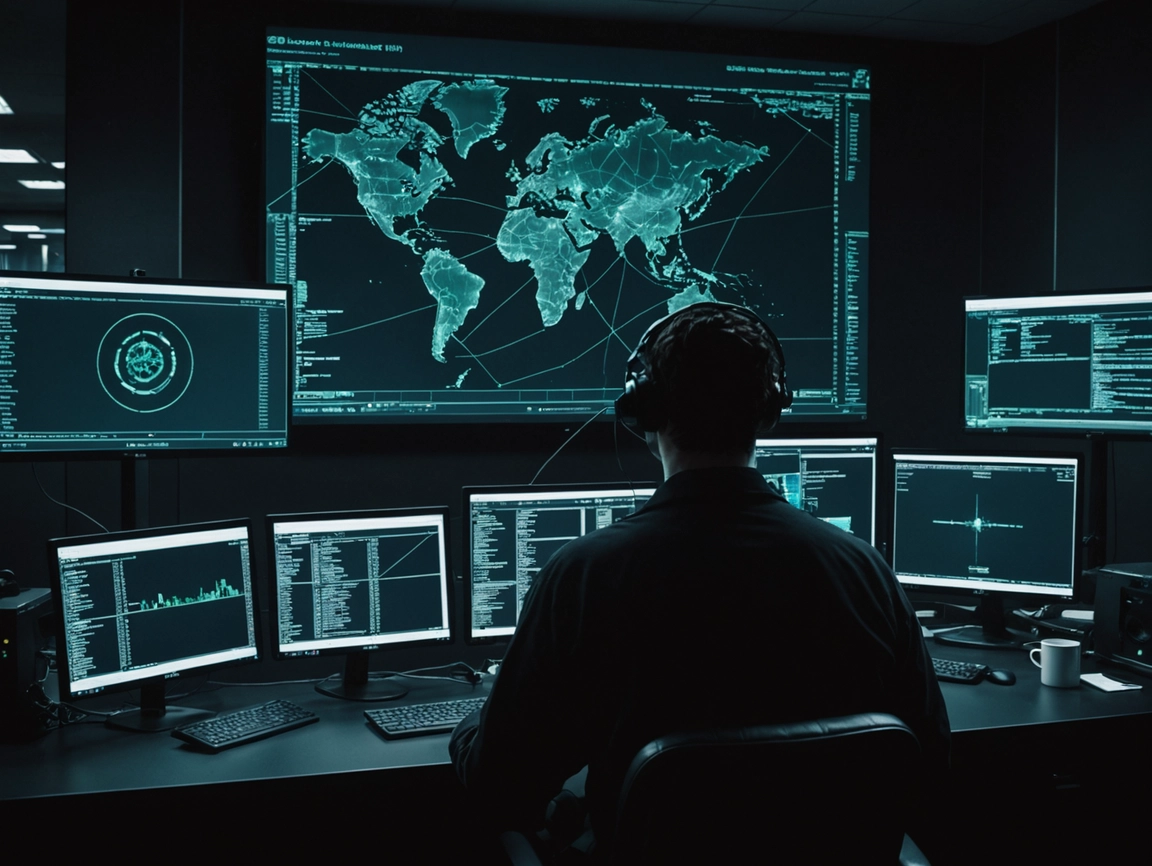
Cybersecurity today goes far beyond firewalls and antivirus — many of the gravest threats don’t come from the visible internet, but from the hidden corners of the dark web. The dark web is not just underground marketplaces or shady forums, but a network of encrypted sites, hidden-forum chat rooms, leak sites, and private messaging channels where hackers coordinate, trade stolen data, and plan attacks. Because it’s constantly changing and cloaked in secrecy, monitoring it effectively requires specialized tools.
This is where dark-web intelligence platforms come in. These tools use advanced crawling technologies, artificial intelligence, and expert analysts to continuously scan deep-web forums, hidden marketplaces, paste sites, encrypted chats, and leak servers. Their job is to find stolen credentials, leaked customer data, insider sale announcements, malware distribution listings — anything that might threaten an organization’s assets, reputation, or people.
The best intelligence platforms can translate underground slang, decode obfuscated data, analyze threat-actor behavior across multiple languages, and surface actionable alerts to security teams. They integrate with security monitoring systems so that when a leak or threat emerges, administrators can respond fast: reset passwords, lock accounts, block IPs, or launch protective countermeasures.
Among the top providers delivering this kind of coverage are a handful of well-established platforms trusted by enterprises, law-enforcement agencies, and security firms worldwide. These platforms have massive archives of previously collected leaks and historic data, plus continuous real-time scanning and automatic alerting. They make dark web intelligence part of a company’s everyday security posture — shifting from reactive crisis-management to proactive threat detection.
For any organization — small or large — relying on standard security tools is no longer enough. As cybercriminal networks use the dark web to plan and launch attacks, regular defenses must be complemented by a “digital threat radar” that watches beyond public websites. In such an environment, dark-web intelligence platforms are becoming essential to defend systems, data, customers, and reputation






Related Articles
Tampered Ledger Signers Expose Hardware Wallet Supply-Chain Risks in $86 Million Crypto Heist
Hardware Implant in Ledger Devices Linked to Cryptocurrency Theft Exceeding $86 Million...

French Supermarkets Face Major Food Losses After Hackers Hijack Refrigeration Controllers
Cyberattack Forces French Supermarket Refrigerators to Heat Up to 50°C A cyberattack...

YMCO Network Leader Admits Role in Laundering Millions Through 15,000 Money Mules
Leader of International Money Mule Network Pleads Guilty in Major Cybercrime Laundering...


New P7 DarkSword iPhone Exploit Steals Crypto Data and Expands Remote Access
P7 DarkSword Exploit Kit Targets iPhones With Cryptocurrency Theft and Remote-Control Features...

Leave a comment