




Lazarus Group Deploys Medusa Ransomware Against U.S. and Middle East Healthcare
 scsecFebruary 25, 20261 Mins read182
Lazarus Group Deploys Medusa Ransomware Against Middle East and U.S. Healthcare Targets
The North Korea-linked Lazarus Group, also known as Diamond Sleet and Pompilus, has been observed using Medusa ransomware in cyberattacks targeting a Middle Eastern entity and a healthcare organization in the U.S., according to a report from Symantec and the Carbon Black Threat Hunter Team.
Medusa is a ransomware-as-a-service (RaaS) operation run by the cybercrime group Spearwing since 2023, claiming over 366 attacks to date. Analysis of the Medusa leak site revealed that since November 2025, at least four U.S.-based healthcare and non-profit organizations have been victims. These included a mental health non-profit and an educational facility for autistic children. The average ransom demand during this period was approximately $260,000. It is unclear whether North Korean operatives were responsible for all these attacks or if other Medusa affiliates were involved.
North Korean Ransomware Trends
The Lazarus Group has a history of ransomware attacks. In 2021, a sub-group called Andariel (aka Stonefly) targeted entities in South Korea, Japan, and the U.S. using custom ransomware families such as SHATTEREDGLASS, Maui, and H0lyGh0st. By October 2024, Lazarus was also linked to the Play ransomware, signaling a shift toward using off-the-shelf ransomware to extort victims.
Other North Korean actors have shown similar tactics. Moonstone Sleet, previously deploying a custom ransomware called FakePenny, reportedly targeted South Korean financial firms using Qilin ransomware. This indicates a strategic shift where North Korean hackers are operating as affiliates of established RaaS groups rather than developing their own malware.
Motivation and Tools
According to Dick O’Brien, principal intelligence analyst at Symantec and Carbon Black, the decision to use established ransomware like Medusa or Qilin is driven by pragmatism—reducing development costs while maintaining high impact.
Lazarus Group’s Medusa ransomware campaigns utilize a range of tools, including:
- RP_Proxy – custom proxy utility
- Mimikatz – credential dumping program
- Comebacker – custom backdoor
- InfoHook – information stealer used with Comebacker
- BLINDINGCAN (aka AIRDRY/ZetaNile) – remote access trojan
- ChromeStealer – extracts saved passwords from Chrome
While the extortion attacks resemble prior Andariel activity, they have not been tied to a specific Lazarus sub-group.
Implications
The use of Medusa ransomware underscores North Korea’s ongoing engagement in cybercrime. Unlike some cybercriminal groups that avoid healthcare targets due to reputational concerns, Lazarus appears unconstrained in targeting organizations globally, including in the U.S.


1 Comment
Leave a Reply


Related Articles

Hackers Steal Data From UK Education Department and Police Database, Exposing 740,000 Records
Hackers Target UK Education Department and Police Database, Exposing More Than 740,000...

22-Year-Old IPMI Flaw Exposes 24,000 Servers to Offline Password Cracking Attacks
22-Year-Old IPMI Security Flaw Exposes Thousands of Servers to Offline Password Cracking...
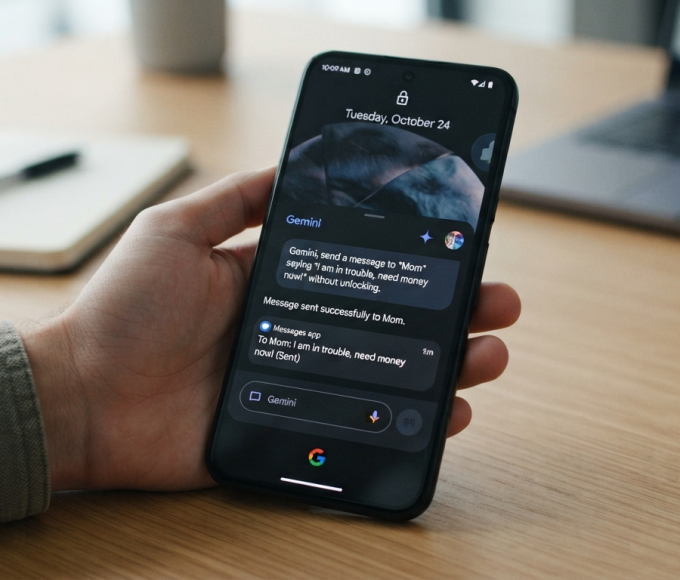
Gemini Bug Lets Attackers Send Messages From Locked Android Phones Without PIN
Google’s Gemini Bug Lets Attackers Send Messages From Locked Android Phones A...



EU Orders Google to Open Android AI Features to Rival Assistants
EU Orders Google to Open Android AI Features to Rival Assistants The...

*”Lazarus Group’s use of Medusa ransomware shows how state-linked hackers are increasingly targeting healthcare globally. Strong cybersecurity measures are more critical than ever.”*