




UK Spy Chief Warns AI Is Powering a New Era of Russian Hybrid Cyber Warfare
 scsecJune 2, 20262 Mins read114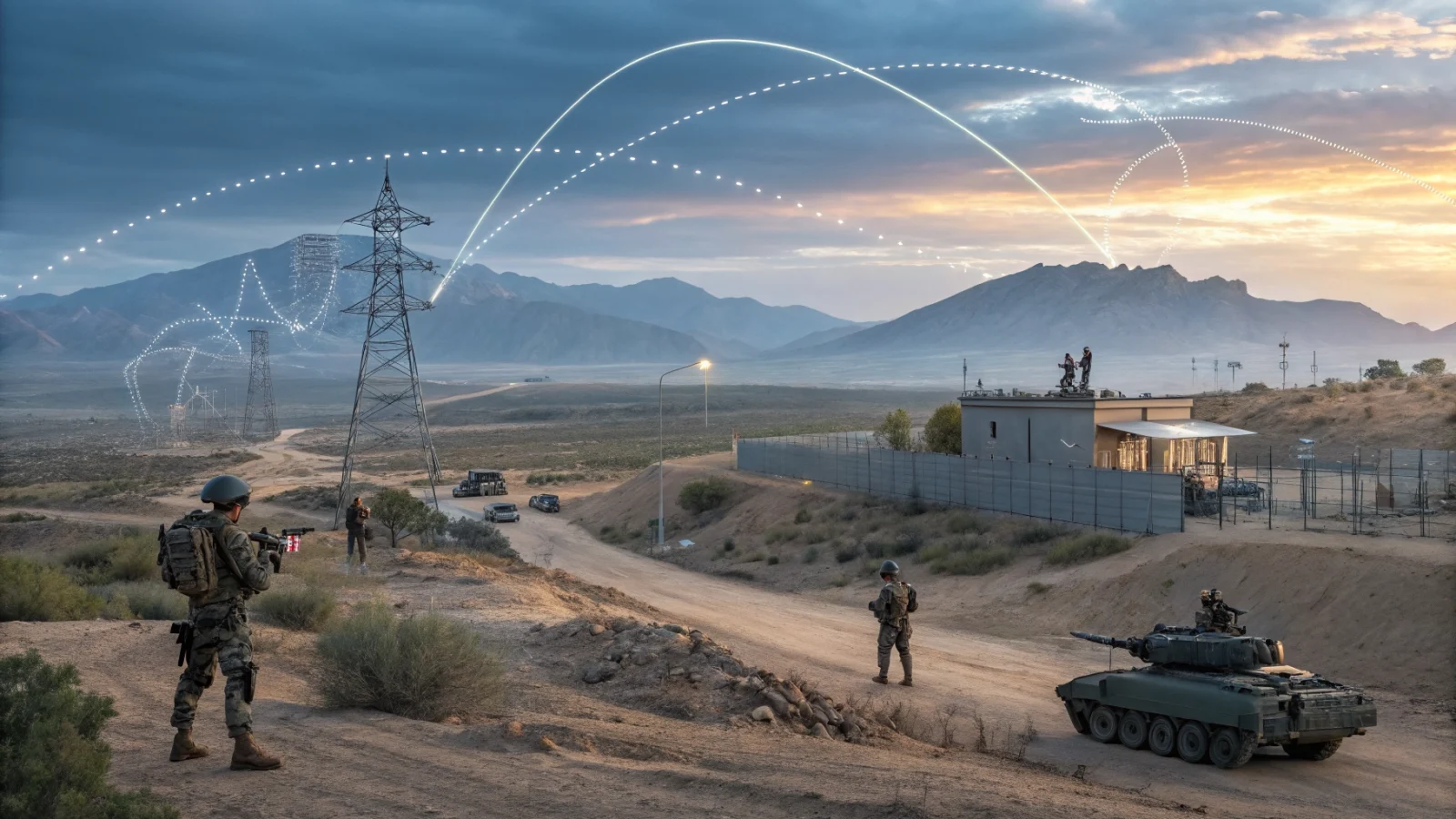
UK Spy Chief Warns AI Is an “Unstoppable Force” as Russia Escalates Hybrid Cyber Threats
Britain’s top cyber intelligence official has warned that artificial intelligence is rapidly becoming an “unstoppable force” that is being weaponized in ways that fall just below traditional warfare, while Russia intensifies its hybrid operations against the West.
Anne Keast-Butler, head of the UK’s signals intelligence agency GCHQ, said the world is now operating in a “space between peace and war,” where hostile states increasingly use cyberattacks, sabotage, and information warfare to achieve strategic goals without triggering open conflict.
She warned that Russia in particular is escalating “daily hybrid activity” against the UK and its allies, targeting critical infrastructure, democratic systems, supply chains, and public trust across Europe. She also accused Moscow of conducting cyber operations alongside efforts to steal technology and carry out sabotage and assassination-related planning.
According to Keast-Butler, Russia’s activities extend across multiple domains, from underwater infrastructure such as seabed cables and pipelines to cyberspace. Western intelligence agencies are increasingly focused on protecting these critical systems.
She also highlighted concerns that Russian military losses in Ukraine are significant, with intelligence estimates suggesting hundreds of thousands of soldiers killed since the 2022 invasion, while Russia continues its aggressive cyber and hybrid operations abroad.
The intelligence chief said the global security environment is becoming more volatile due to rapid advances in AI, which are being deployed at high speed by technology companies and adversaries alike. She warned that these systems are increasingly being used just below the threshold of conventional warfare.
Despite the risks, Keast-Butler said AI also offers major advantages for intelligence and cybersecurity, including faster data analysis, improved language translation, and enhanced detection of threats hidden in vast datasets. GCHQ is reportedly working on integrating advanced “agentic AI” systems into machine-speed cyber defense operations.
She stressed, however, that the pace of technological change is creating a narrowing window for the UK and its allies to maintain a strategic advantage over countries such as China, which she described as a major technological power.
Keast-Butler urged a nationwide shift in urgency around cybersecurity, calling for action “from boardrooms to living rooms” to treat cyber risks as a top priority.
She also emphasized the importance of international cooperation, particularly the intelligence-sharing relationship between the UK and the United States, which she described as essential to national security, even as geopolitical tensions test alliances.
The speech comes amid growing concern among Western intelligence agencies that Russia, China, and Iran are expanding cyber operations targeting infrastructure such as power systems, dams, and communication networks, with the potential for escalation during future conflicts.






Related Articles

Tampered Ledger Signers Expose Hardware Wallet Supply-Chain Risks in $86 Million Crypto Heist
Hardware Implant in Ledger Devices Linked to Cryptocurrency Theft Exceeding $86 Million...

French Supermarkets Face Major Food Losses After Hackers Hijack Refrigeration Controllers
Cyberattack Forces French Supermarket Refrigerators to Heat Up to 50°C A cyberattack...

YMCO Network Leader Admits Role in Laundering Millions Through 15,000 Money Mules
Leader of International Money Mule Network Pleads Guilty in Major Cybercrime Laundering...


New P7 DarkSword iPhone Exploit Steals Crypto Data and Expands Remote Access
P7 DarkSword Exploit Kit Targets iPhones With Cryptocurrency Theft and Remote-Control Features...

Leave a comment