




ShinyHunters Cyberattack Exposes Data of 450,000 Students at University of Nottingham
 scsecJune 15, 20262 Mins read86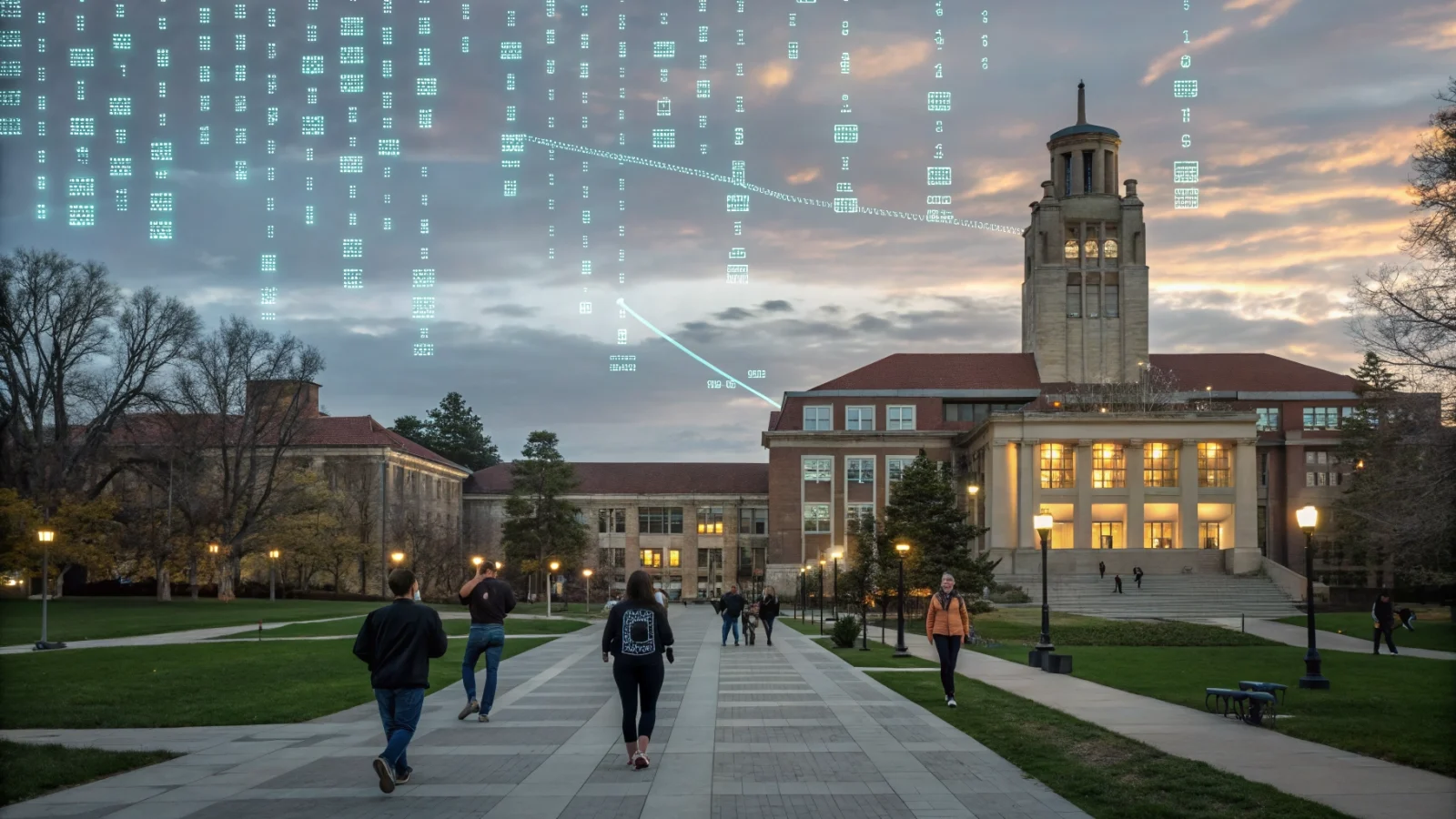
Nottingham University Data Breach Affects 450,000 Students in ShinyHunters Attack
The University of Nottingham has confirmed a major cybersecurity incident in which data belonging to approximately 450,000 current and former students was compromised. The attack has been claimed by the ShinyHunters ransomware group, which says it accessed large volumes of sensitive university data.
The incident highlights ongoing risks faced by the higher education sector, which continues to be a frequent target for cybercriminal groups.
What Data Was Exposed
The compromised information is believed to include a wide range of personal and institutional records, such as:
- Names
- Email and postal addresses
- Course and academic information
- Student and staff identification numbers
- Financial details
- National insurance numbers
The university has not yet fully confirmed the complete scope of the exposed data but is actively investigating the breach.
How the Attack Was Discovered
According to the university, suspicious activity was detected on its systems, after which affected systems were taken offline to contain the incident.
The institution stated that it is working with multiple authorities, including Action Fraud and the Information Commissioner’s Office, to investigate the breach and assess its impact.
Officials have also begun directly contacting affected students and alumni while continuing to provide updates as more information becomes available.
ShinyHunters Claims Responsibility
The ShinyHunters group has publicly claimed responsibility for the attack via its dark web leak site. The group alleges it accessed more than 40GB of data from the university’s systems, including information linked to campuses in the UK, Malaysia, and China.
The attackers also claimed that ransom demands were made, warning of data release if payment was not made. However, UK policy prohibits universities from paying ransomware demands.
Sector-Wide Risks for Universities
Security experts say the attack reflects a broader trend of increased targeting of higher education institutions.
Universities are often seen as attractive targets due to the large amounts of personal data, intellectual property, and research information they store. Attackers may seek to monetize stolen data or gain access to valuable academic research.
Experts warn that universities must strengthen cybersecurity defenses through improved internal security measures or by working with specialized security providers.
Criticism of Incident Response
The University of Nottingham has faced criticism over its handling of the breach, particularly regarding detection time and transparency.
Security analysts noted concerns that attackers may have remained undetected for over a week, potentially giving them time to move laterally within the network and access additional systems.
Some cybersecurity commentators also criticized the communication strategy, arguing that students were not given enough timely information about the extent of the breach. Others pointed out that while authorities such as the ICO were notified, students have relied heavily on external sources and breach notification services for updates.
Critics argue that organizations responsible for handling large volumes of sensitive personal data must provide clearer and faster communication when breaches occur, especially when the affected data is highly sensitive and may be circulating on underground markets.





Related Articles
Iphones 2018/2020 all insecure due to unresolvable bug
Unpatchable ‘usbliter8’ Exploit Breaks Apple A12 and A13 SecureROM Security researchers at...

Hackers Steal Data From UK Education Department and Police Database, Exposing 740,000 Records
Hackers Target UK Education Department and Police Database, Exposing More Than 740,000...

22-Year-Old IPMI Flaw Exposes 24,000 Servers to Offline Password Cracking Attacks
22-Year-Old IPMI Security Flaw Exposes Thousands of Servers to Offline Password Cracking...


Gemini Bug Lets Attackers Send Messages From Locked Android Phones Without PIN
Google’s Gemini Bug Lets Attackers Send Messages From Locked Android Phones A...

Leave a comment