




Cyberwar Erupts as US-Israel and Iran Exchange Wiper Attacks, DDoS Strikes, and Infrastructure Hacks
 scsecMarch 3, 20263 Mins read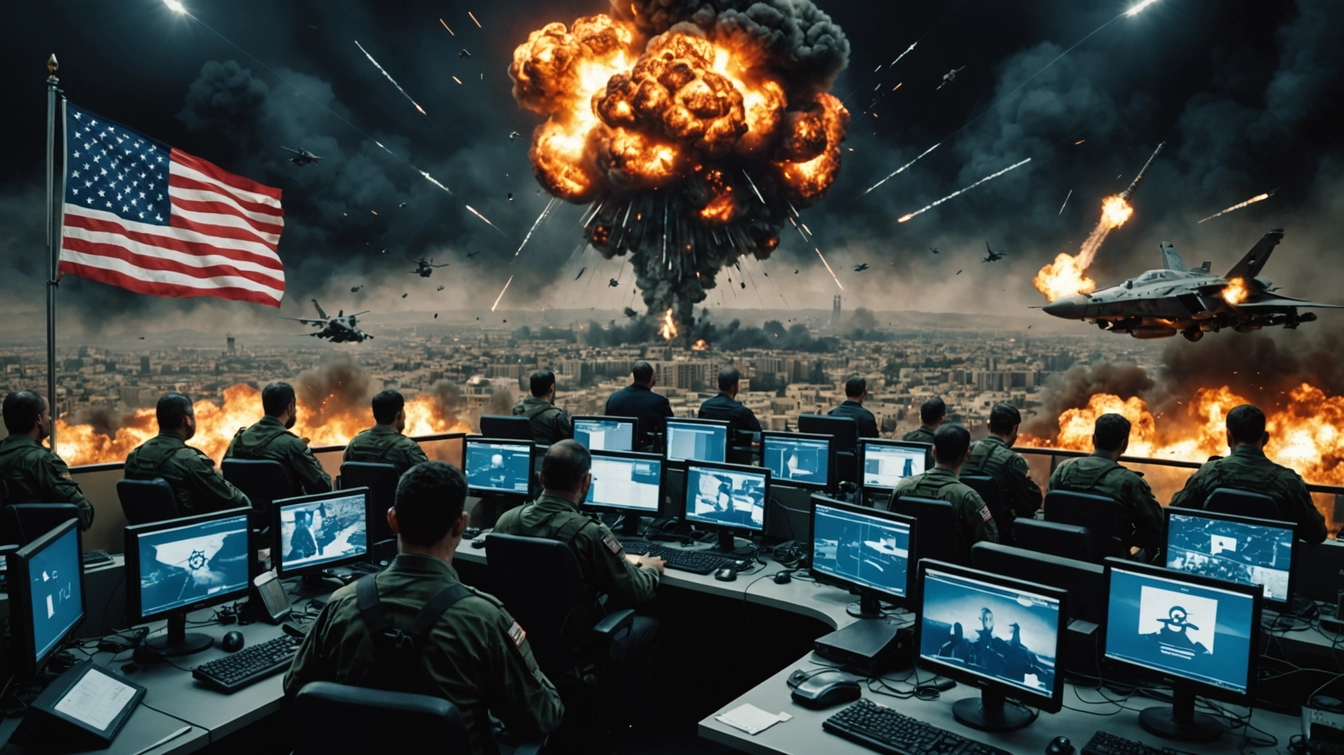
US-Israel and Iran Exchange Cyber Blows as Conflict Escalates
The escalating military confrontation between the United States, Israel, and Iran has been accompanied by an intense wave of cyber operations, with both sides deploying digital attacks alongside kinetic strikes. Reports indicate internet disruptions, infrastructure interference, distributed denial-of-service (DDoS) attacks, and the use of destructive malware.
The conflict began on February 28, when coordinated airstrikes by the US and Israel targeted Iranian military installations, missile facilities, nuclear sites, and senior leadership figures. In response, Iran launched missile and drone attacks against US military bases in the Persian Gulf and carried out direct strikes on Israel, causing limited casualties and infrastructure damage.
Alongside these military exchanges, cyber operations have intensified dramatically.
Cyber Operations Targeting Iran
According to Israeli and US media reports, pro-Western cyber operations have disrupted a wide range of Iranian digital infrastructure. Alleged targets include:
- State-linked news and propaganda outlets, including the Islamic Republic News Agency
- Communications systems associated with the Islamic Revolutionary Guard Corps
- Government digital services and local applications
- Energy and aviation infrastructure
Some reports described the operations as involving both DDoS campaigns and deeper intrusions into sensitive systems, with certain commentators labeling them among the most significant cyber offensives to date.
Pro-Western hackers also reportedly hijacked a popular Iranian prayer app, sending push notifications claiming that “Help has arrived.”
Meanwhile, internet observatory NetBlocks reported a nationwide internet blackout in Iran lasting more than 48 hours. While extended blackouts are not unusual in Iran and are sometimes imposed domestically, the timing has fueled speculation about cyber-related disruptions.
Iranian and Pro-Iranian Cyber Activity
Iranian and Iran-aligned threat actors have also ramped up cyber operations. According to threat intelligence firm Flashpoint, Iran is conducting a campaign referred to by hackers as “The Great Epic.”
Groups claiming alignment with Tehran have reported attacks against:
- Israeli air defense systems
- Fuel infrastructure in Jordan
- Industrial control systems (ICS) in Israel
- US and Israeli military logistics providers
These operations reportedly include DDoS campaigns and wiper-style malware designed to erase data and disrupt operations.
Security firm CrowdStrike said it has observed reconnaissance activity and DDoS attacks consistent with Iranian-aligned actors. Such behavior often precedes more aggressive actions targeting sectors such as energy, finance, telecommunications, healthcare, and critical infrastructure.
Sophos noted that a hacktivist persona linked to Iran’s Ministry of Intelligence and Security (MOIS) claimed attacks in Jordan and issued threats across the region. While such groups often exaggerate their impact, they have demonstrated capabilities in data theft and destructive attacks.
At Halcyon, analysts reported increased regional activity, including calls to action from groups such as HydraC2, Handala, and Sicarii. Experts warn that ransomware and destructive tools could be deployed more aggressively in the coming weeks.
Iran’s Cyber Playbook
Analysts point to Iran’s long history of retaliatory cyber operations. Past incidents attributed to Iranian actors have included:
- Disruptive attacks on US financial institutions between 2011 and 2013
- The 2014 destructive attack on Las Vegas Sands
- Website defacements and online threats following the death of Qasem Soleimani
- Ransomware campaigns targeting US municipalities and critical infrastructure
Iranian operators have increasingly blended criminal-style ransomware tactics with state-aligned objectives, targeting infrastructure sectors and, in some cases, healthcare institutions.
Caution Around Impact Claims
While Iranian-linked actors have demonstrated the ability to target industrial systems and critical infrastructure, experts caution that claims made during periods of heightened conflict are often exaggerated.
Both the United States and Israel possess advanced offensive cyber capabilities, but real-time assessments of damage during escalation can be unreliable. Some disruptions may ultimately prove less severe than initially reported.
Cybersecurity firm SentinelOne stated shortly after the conflict began that it had not attributed significant malicious cyber activity directly to the events. However, the company warned with high confidence that organizations in Israel, the United States, and allied nations are likely to face direct or indirect targeting, particularly in government, defense, financial services, academia, media, and critical infrastructure.
A Growing Digital Battlefield
The parallel use of cyber operations and conventional military force highlights how modern conflicts now unfold simultaneously in physical and digital domains. Even if some impact claims are overstated, the demonstrated ability of state-linked actors to conduct coordinated cyber intrusions alongside military strikes underscores a persistent and evolving threat.
Organizations across affected regions are being urged to remain vigilant, strengthen monitoring, and prepare for potential escalation in cyber activity as geopolitical tensions continue.


1 Comment
Leave a Reply


Related Articles

DoJ Seizes $61 Million in Tether from Global Pig Butchering Crypto Scam Network
DoJ Seizes $61 Million in Tether Linked to Pig Butchering Crypto Scams...

Europol’s Project Compass Dismantles The Com Cybercrime Network, 30 Arrested Across 28 Countries
Europol’s ‘Project Compass’ Targets The Com Network, 30 Arrested A yearlong international...

$4.8M in Seized Crypto Stolen After Korean Tax Agency Accidentally Leaks Wallet Seed Phrase
$4.8M in Crypto Stolen After South Korean Tax Agency Exposes Wallet Seed...


Pakistani News Channels Hacked, Live Feeds Hijacked With Anti-Military Propaganda
Pakistan’s Leading News Channels Hacked, Live Feeds Hijacked With Anti-Military Messages On...

This situation highlights how modern conflicts now extend far beyond physical battlefields. The parallel use of wiper malware, DDoS campaigns, and infrastructure targeting shows how cyber operations are becoming a central component of geopolitical strategy. Organizations across critical sectors should remain on high alert and strengthen their defensive posture during periods of escalation.