




India to Register Every Smartphone — New Rules Spark Privacy Debate
 scsecDecember 3, 20251 Mins read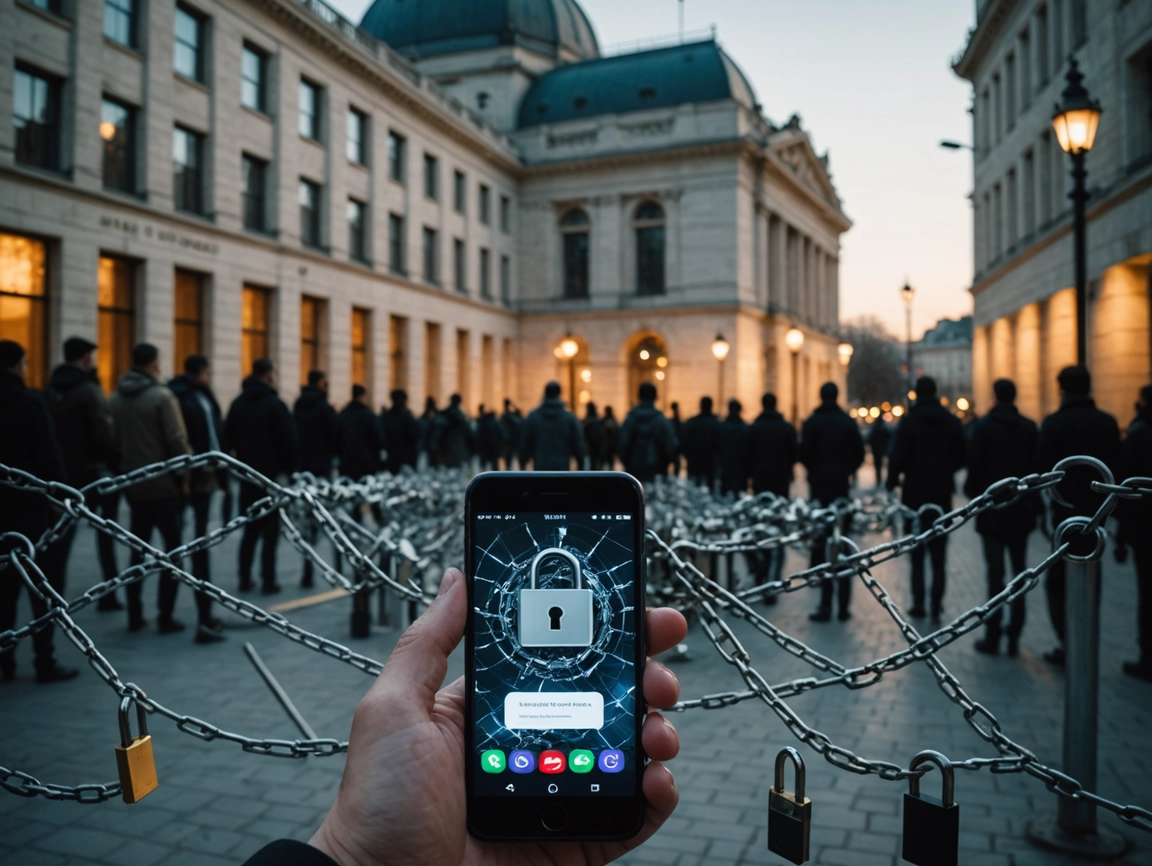
The Indian government has announced a new rule that will cover every smartphone in circulation — new and used. Under this plan, companies that produce or resell phones must ensure that each device is registered in a central system using its unique identifier (the IMEI). This is part of a broader effort to fight phone theft, fraud and illegal devices being resold or reused.
As part of the policy, all new phones sold in India are required to come pre-loaded with the Sanchar Saathi app — a government app designed to help track lost or stolen phones, verify phone origin, and block devices or SIMs linked to fraud. Phones already in the market will receive the app through software updates or will need to be re-registered when changing hands.
The government says this measure will help clamp down on illegal resales, cloned or tampered phones, and telecom fraud — especially through misuse of duplicate or spoofed IMEI numbers. According to official data, the system has already helped block or trace millions of stolen or lost devices.
However, the decision has sparked major debate around privacy and personal freedom. Critics — including digital-rights activists and some industry voices — argue that recording every device and pre-installing a government app amounts to excessive state surveillance. They warn this could give authorities broad access to device data, and may lead to misuse, especially given how deeply integrated phones are with personal communications and private information.
Smartphone manufacturers are also under pressure. While some may comply, others, especially global brands that resist pre-installation demands, may push back — citing privacy, user consent, or internal policy concerns.
In short: India’s new smartphone-verification plan aims to improve security and crack down on phone-related crime, but it raises serious privacy and civil-liberty questions for users






Related Articles

Spain Arrests Key Members of Anonymous Fénix Hacktivist Group
Spanish Authorities Arrest Members of Anonymous Fénix Hacktivist Group Spanish authorities have...

Lazarus Group Deploys Medusa Ransomware Against U.S. and Middle East Healthcare
Lazarus Group Deploys Medusa Ransomware Against Middle East and U.S. Healthcare Targets...

Romanian Hacker Extradited to US for $250K Oregon State Network Breach
Romanian Hacker Extradited to US for Oregon State Network Breach A 45-year-old...



AI-Empowered Novice Hacker Breaches 600+ FortiGate Devices Worldwide
AI-Powered Hacker Breaches FortiGate Devices Worldwide A new type of cybercriminal has...

Leave a comment