




“When More States Get Cyber Weapons: Why the World Is at Risk”
 scsecDecember 1, 20252 Mins read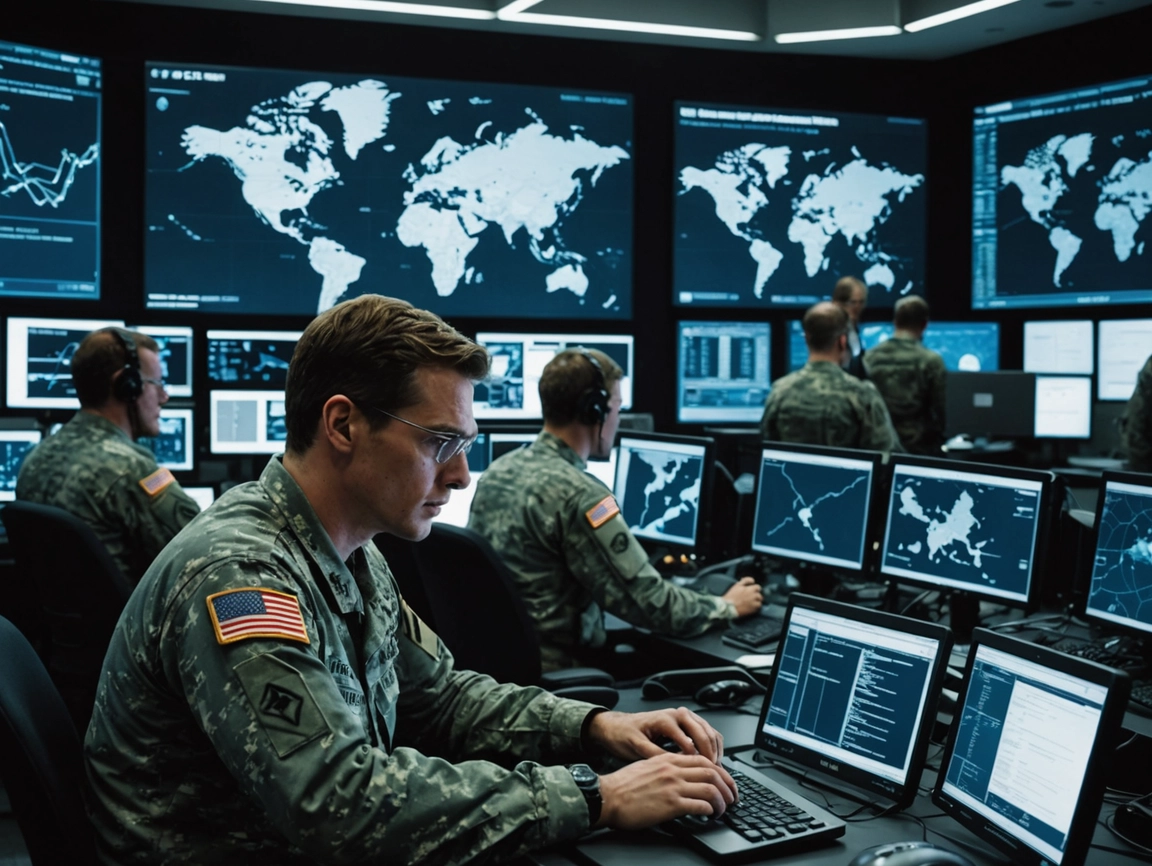
Offensive cyber‑power is spreading fast, and it’s changing global security in ways that make digital conflict far more unpredictable. What once was limited to a few major countries has now become common among many — by 2019, at least forty states were already carrying out cyberattacks, marking a dramatic increase from just eight years earlier. Small and less‑resourced governments are gaining the ability to punch above their weight: for example, activities like the 2017 ransomware campaign by a nation‑state or network attacks against foreign governments show how even modestly equipped states can disturb faraway targets. Major powers are not backing down either — some treat cyberspace as a critical domain for intelligence gathering and political influence, blending data theft, disruptive malware and more conventional digital operations.
As more and more states join in, the risk of miscalculation and dangerous escalation rises. Many operations now occur in a “grey zone” between peace and war — intrusions, data theft, or infrastructure disruption happen without triggering a formal military response. But because civilian and military systems are deeply intertwined — often sharing networks that support transport, energy, health, communication, and finance — even a narrowly targeted cyber‑attack can inadvertently impact hospitals, banks, or utilities, causing wide collateral damage.
The legal and policy frameworks lag far behind this rapid expansion of offensive cyber activity. Most states prefer to keep their cyber capabilities secret and maintain vague thresholds for what constitutes an attack. International law struggles to address these conflicts, because many of the operations cause disruption without physical harm, keeping them technically outside the traditional definition of armed conflict. While international groups and regional bodies have attempted to define norms or build trust mechanisms (for instance via confidence‑building measures or crisis hotlines), progress remains slow and uneven.
To reduce global cyber risk, experts recommend stronger cooperation: more transparent incident‑notification rules, cyber hotlines between states, joint crisis exercises, and wider capacity‑building — especially among countries with fewer resources. Through training, cooperation, and better incident‑response capabilities, the hope is to build a broader pool of responders who can act responsibly in a fast‑evolving cyber world.
In short: the digital battlefield has expanded, and the tools of offensive cyberwarfare are no longer limited to superpowers. With cyber‑attacks now more accessible, stealthy, and far‑reaching, global stability depends on whether nations — together — can build frameworks that keep escalation in check and protect civilian infrastructure from becoming unintended casualties.





Related Articles

Spain Arrests Key Members of Anonymous Fénix Hacktivist Group
Spanish Authorities Arrest Members of Anonymous Fénix Hacktivist Group Spanish authorities have...

Lazarus Group Deploys Medusa Ransomware Against U.S. and Middle East Healthcare
Lazarus Group Deploys Medusa Ransomware Against Middle East and U.S. Healthcare Targets...

Romanian Hacker Extradited to US for $250K Oregon State Network Breach
Romanian Hacker Extradited to US for Oregon State Network Breach A 45-year-old...



AI-Empowered Novice Hacker Breaches 600+ FortiGate Devices Worldwide
AI-Powered Hacker Breaches FortiGate Devices Worldwide A new type of cybercriminal has...

Leave a comment