




Even the Taliban is banning smartphones at work over distraction concerns
 scsecJune 19, 20261 Mins read101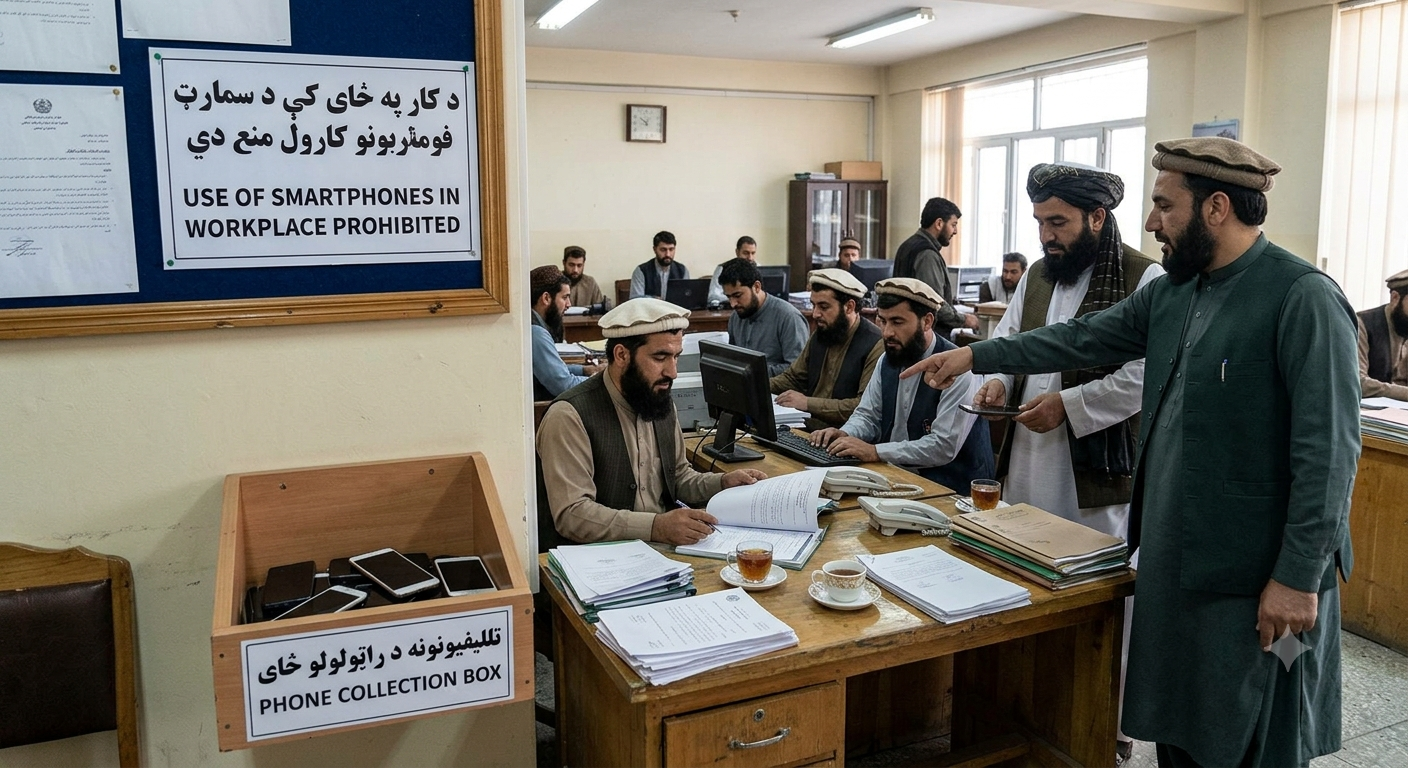
Reports say Taliban authorities have taken strict action against smartphone use in government offices, including confiscating and in some cases destroying devices belonging to staff. The move is aimed at reducing distractions and improving productivity, according to accounts cited in media reports.
An unnamed government employee described how officials initially instructed staff not to bring mobile phones into the workplace. When some ignored the rule, phones were reportedly seized and later smashed after disputes over the policy.
While the Taliban has long restricted internet access on ideological grounds, this recent focus appears specifically targeted at smartphones, which officials allegedly believe are harming work discipline by keeping employees constantly distracted and online.
The development has sparked broader debate about smartphone dependence in professional life. Critics and observers note that concerns about distraction are not unique to Afghanistan, as workplaces globally struggle with constant notifications, social media use, and reduced attention spans.
In response to similar concerns, some users are turning to “dumb phones” with limited features, or tools designed to block distractions and reduce screen time. Devices like app-locking tools and simplified smartphones that restrict non-essential apps are becoming part of a wider digital detox movement.
The controversy highlights a growing global tension between the usefulness of smartphones for work and communication, and their impact on focus and productivity.






Related Articles

Tampered Ledger Signers Expose Hardware Wallet Supply-Chain Risks in $86 Million Crypto Heist
Hardware Implant in Ledger Devices Linked to Cryptocurrency Theft Exceeding $86 Million...

French Supermarkets Face Major Food Losses After Hackers Hijack Refrigeration Controllers
Cyberattack Forces French Supermarket Refrigerators to Heat Up to 50°C A cyberattack...

YMCO Network Leader Admits Role in Laundering Millions Through 15,000 Money Mules
Leader of International Money Mule Network Pleads Guilty in Major Cybercrime Laundering...



New P7 DarkSword iPhone Exploit Steals Crypto Data and Expands Remote Access
P7 DarkSword Exploit Kit Targets iPhones With Cryptocurrency Theft and Remote-Control Features...

Leave a comment