






In 2025, global internet freedoms declined yet again, according to the latest Freedom on the Net report. This marks the 15th straight year that conditions for digital rights have worsened.
While most people assume that internet censorship is just a problem in authoritarian countries, this year’s report shows that even established democracies are sliding. Among the biggest losers are Georgia, Germany, and the United States — three nations that were previously rated as “Free.”
In Georgia, the ruling party passed new laws that restrict civil society and online media, placing intense pressure on digital activists. Self-censorship is growing, and online criticism of the government has become riskier.
In Germany, things are also getting shakier. The government is prosecuting people over memes or online speech that criticizes politicians, using hate speech or insult laws. In addition, there’s more self-censorship because people fear backlash or legal trouble, especially with rising far-right tensions.
In the United States, internet freedom also declined. Even though the U.S. has strong constitutional protections for free expression, the report notes increased digital surveillance, restrictions on civic space, and concerns that online activism could be stifled.
The report warns that the internet is now more controlled and manipulated than ever. It calls for stronger protections for digital rights, urging governments and tech companies to do more to defend online expression and free access to information






Related Articles

Tampered Ledger Signers Expose Hardware Wallet Supply-Chain Risks in $86 Million Crypto Heist
Hardware Implant in Ledger Devices Linked to Cryptocurrency Theft Exceeding $86 Million...

French Supermarkets Face Major Food Losses After Hackers Hijack Refrigeration Controllers
Cyberattack Forces French Supermarket Refrigerators to Heat Up to 50°C A cyberattack...
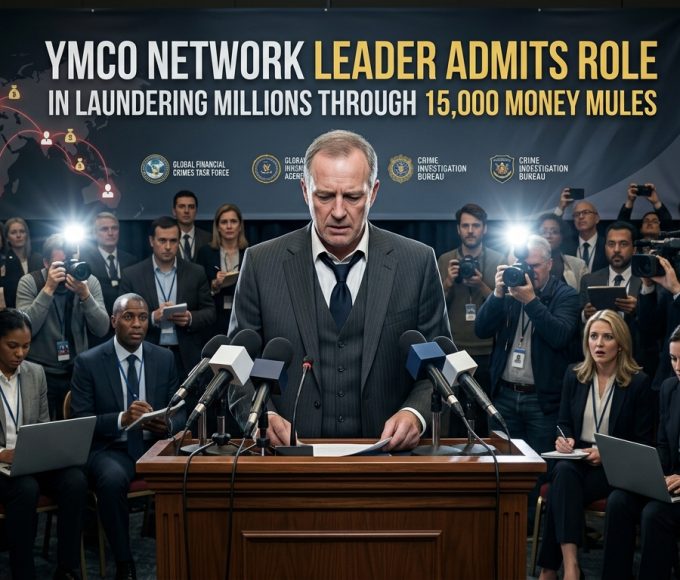
YMCO Network Leader Admits Role in Laundering Millions Through 15,000 Money Mules
Leader of International Money Mule Network Pleads Guilty in Major Cybercrime Laundering...
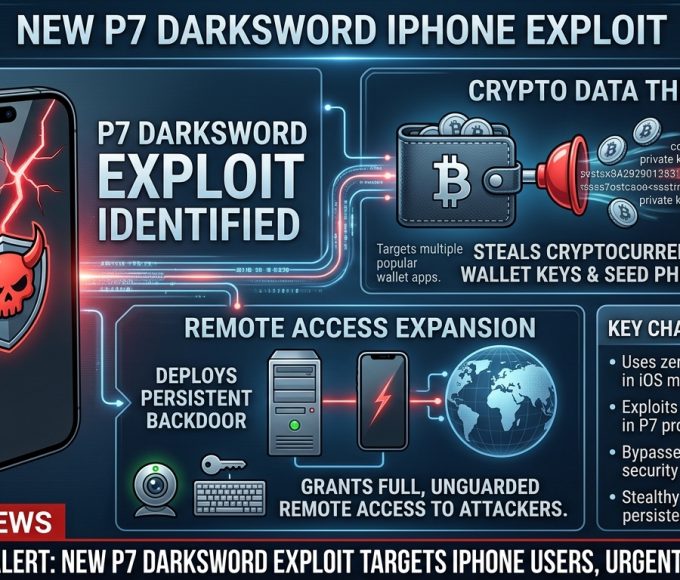


New P7 DarkSword iPhone Exploit Steals Crypto Data and Expands Remote Access
P7 DarkSword Exploit Kit Targets iPhones With Cryptocurrency Theft and Remote-Control Features...

Leave a comment