




Missiles and Malware: How Cyberattacks Are Redefining Modern Warfare
 scsecApril 12, 20262 Mins read178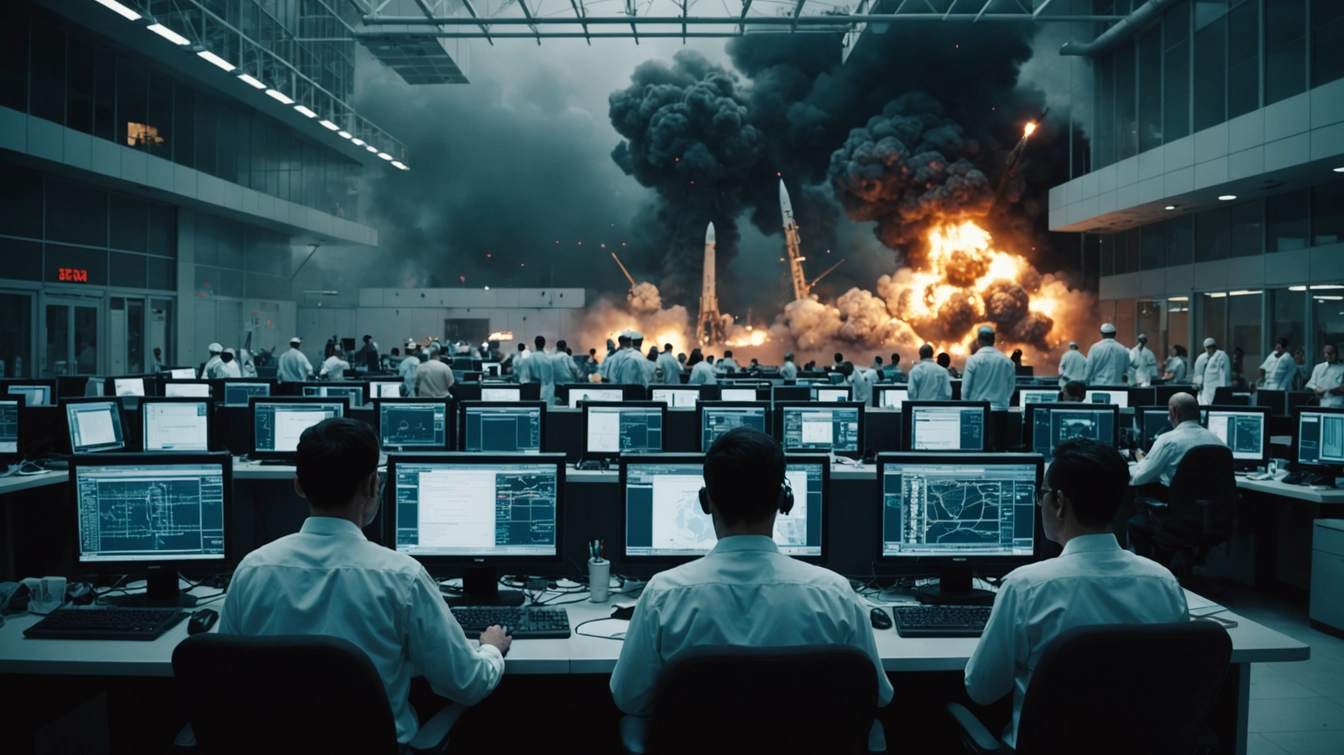
Cyber Warfare Escalates as Iran-Linked Hackers Target Civilians and Critical Infrastructure
As cyber warfare intensifies alongside physical conflict, a recent incident has revealed a disturbing new tactic. During an Iranian missile strike, civilians in Israel received text messages on Android devices offering what appeared to be real-time information about nearby bomb shelters. Instead of providing help, the link installed spyware that gave attackers access to users’ cameras, locations, and personal data.
The operation, widely attributed to Iran, demonstrated an advanced level of coordination between cyber and physical attacks. Experts noted that the messages were timed precisely to coincide with missile strikes, making the attack both deceptive and highly effective in exploiting panic.
Cybersecurity analysts believe this marks a significant evolution in modern warfare, where hacking, artificial intelligence, and disinformation are deeply integrated into military strategies.
High Volume, Low Impact — But Growing Pressure
Iran-linked hacking groups have increasingly adopted a strategy of launching large numbers of relatively low-impact cyberattacks. According to cybersecurity researchers, thousands of attacks have been traced to dozens of groups associated with Iran, primarily targeting U.S. and Israeli organizations, as well as networks in Gulf countries.
While many of these attacks can be prevented with up-to-date security systems, they still create significant strain on organizations by forcing constant defensive measures. Even unsuccessful attacks consume resources and contribute to a broader sense of vulnerability.
In some cases, hackers focus more on psychological impact than actual damage. For example, a pro-Iranian group recently claimed to have accessed personal data linked to a senior U.S. official, releasing outdated but attention-grabbing information to create fear and undermine confidence.
Healthcare and Infrastructure Under Threat
A particularly concerning trend is the targeting of critical infrastructure, especially healthcare systems and data centers. Experts warn that attackers are deliberately focusing on weaker points in supply chains and essential services such as hospitals, water facilities, ports, and transportation networks.
Recent cyber incidents include attacks on a U.S.-based medical technology company and a separate healthcare organization where hackers deployed destructive ransomware. In that case, no ransom was demanded, indicating that the goal was disruption rather than financial gain.
These developments suggest a strategic shift toward causing chaos and instability, particularly in sectors vital to public safety and national resilience.
AI Amplifies the Threat Landscape
Artificial intelligence is playing an increasingly important role in cyber warfare. Hackers are using AI tools to automate attacks, increase their speed, and scale operations more efficiently.
However, AI’s most visible impact has been in the spread of disinformation. Fake images and videos—often generated or enhanced using AI—have circulated widely online, misleading millions. In some cases, fabricated visuals of military victories or destruction have gained massive traction, further blurring the line between reality and propaganda.
Meanwhile, governments are also using AI to strengthen cyber defenses, improving detection and response times against potential threats.
A Persistent and Evolving Conflict
Experts believe that cyber conflict will continue regardless of any ceasefire in physical warfare. Cyberattacks are significantly cheaper, easier to execute, and highly effective at espionage, disruption, and psychological manipulation.
Although countries like Russia and China are often considered more advanced in cyber capabilities, Iran has demonstrated a growing ability to conduct coordinated operations targeting foreign governments, infrastructure, and even civilian populations.
In recent years, Iran-linked actors have attempted to breach military networks, infiltrate political campaigns, and even impersonate activists online to influence public opinion.
As cyber warfare evolves, the line between battlefield and civilian life continues to blur—making digital security a critical concern for nations and individuals alike.


1 Comment
Leave a Reply




Related Articles

Tampered Ledger Signers Expose Hardware Wallet Supply-Chain Risks in $86 Million Crypto Heist
Hardware Implant in Ledger Devices Linked to Cryptocurrency Theft Exceeding $86 Million...

French Supermarkets Face Major Food Losses After Hackers Hijack Refrigeration Controllers
Cyberattack Forces French Supermarket Refrigerators to Heat Up to 50°C A cyberattack...

YMCO Network Leader Admits Role in Laundering Millions Through 15,000 Money Mules
Leader of International Money Mule Network Pleads Guilty in Major Cybercrime Laundering...


New P7 DarkSword iPhone Exploit Steals Crypto Data and Expands Remote Access
P7 DarkSword Exploit Kit Targets iPhones With Cryptocurrency Theft and Remote-Control Features...

This is a deeply concerning example of how cyber warfare is evolving beyond traditional targets and directly impacting civilians. The level of coordination between physical attacks and digital deception shows how urgent it is for individuals and organizations to stay alert. Awareness and basic cybersecurity practices are no longer optional—they’re essential for everyone.