




Syrian Hacker Sentenced to 42 Months in US Prison After 12 Years on the Run
 scsecNovember 8, 20261 Mins read1
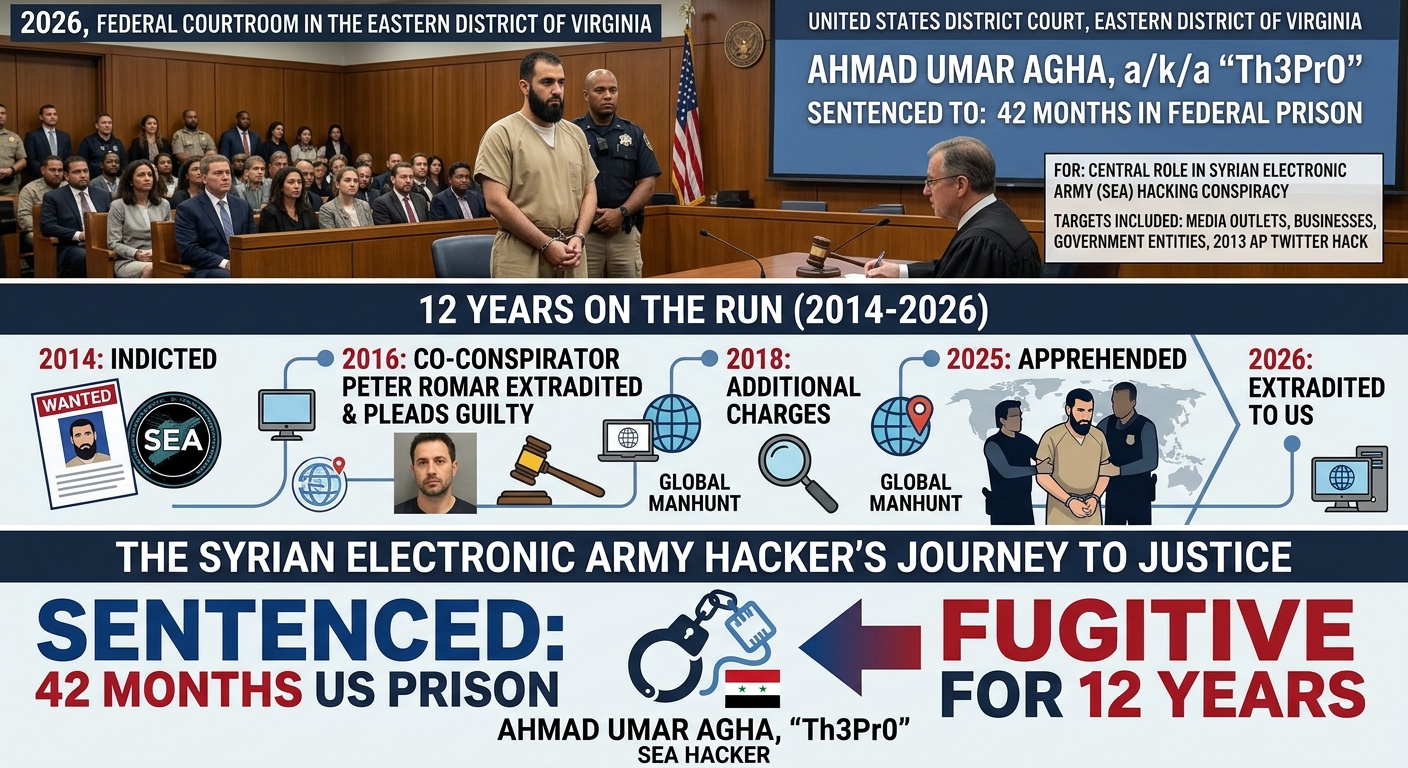
A Syrian hacker connected to the Syrian Electronic Army has been sentenced to 42 months in prison in the United States after evading authorities for more than a decade.
Ahmad Umar Agha, also known online as Th3Pr0, received his sentence from a federal court in the Eastern District of Virginia. According to the US Department of Justice, Agha participated in a hacking operation that allegedly received direction from individuals connected to former Syrian President Bashar al-Assad.
The cyber operations reportedly began in August 2011 and continued until January 2024. Investigators identified approximately 47 targets, including Western media organizations, businesses, non-governmental organizations, and government institutions in the United States and allied countries.
One of the most significant incidents involved the 2013 takeover of the Associated Press’s Twitter account. The attackers published a fabricated report claiming that President Barack Obama had been injured in explosions at the White House.
The false announcement triggered a temporary financial market crash, briefly wiping approximately $136 billion from the combined value of companies listed on the Dow Jones Industrial Average.
Agha also reportedly compromised the company hosting the US Marine Corps recruitment website, redirecting visitors to a message encouraging Marines to disobey their orders.
Additionally, prosecutors said he targeted White House employees to obtain email credentials and gain access to official social media accounts.
The attacks caused substantial financial damage to several organizations. One online publishing company reportedly lost approximately $35,000 per day for six months, while an international NGO spent hundreds of thousands of dollars on security improvements and recovery.
Agha and his alleged accomplice, Firas Dardar, were initially charged in 2014. The FBI later placed both individuals on its Cyber’s Most Wanted list in 2016.
While Agha has now been sentenced, Dardar remains at large.
The case highlights the long-term consequences of state-linked cyber operations and demonstrates that international investigations can continue for years before suspects face justice.





Related Articles

Hackers Steal Up to $133 Million From French Bank Through Third-Party Service Provider
French banking group Crédit Mutuel Arkéa has suffered a major cyberattack that...
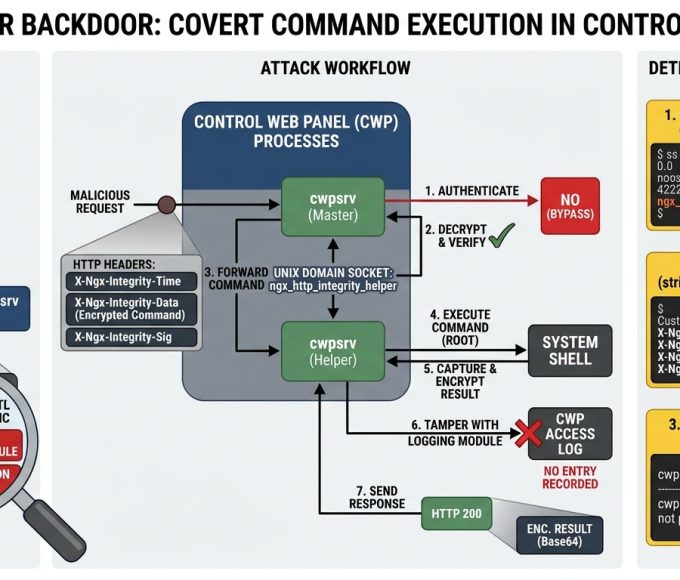
Hackers Hide Linux Backdoor in Control Web Panel to Execute Commands Without Logs
Cybersecurity researchers have discovered a previously identified backdoor hidden inside the web...

APT29-Linked Hackers Hijack Web Analytics Script to Deliver iOS and Android Exploits create image
A cyber espionage campaign linked to the Russia-associated hacking group APT29 has...
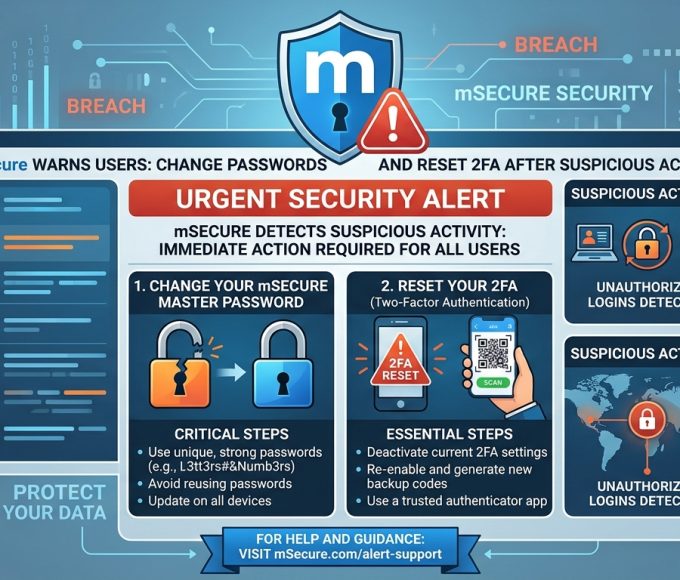


mSecure Warns Users to Change Passwords and Reset 2FA After Suspicious Activity
Password manager provider mSecure has warned current and former customers to take...

Leave a comment